Relations between Cuba and the United States remain tense after Cuban officials announced that diplomatic negotiations have reached a standstill. The latest developments come just days before a scheduled United Nations debate on the decades-long U.S. trade embargo against Cuba.
During a press conference in Havana, Cuban Foreign Minister Bruno Rodríguez stated that discussions with Washington have produced “no progress,” despite months of diplomatic engagement. He also accused the United States of attempting to pressure United Nations member states to postpone discussions surrounding the embargo.
The announcement highlights the growing diplomatic divide between the two countries and raises fresh questions about the future of U.S.-Cuba relations
Cuba Accuses the US of Pressuring UN Member States
According to Cuban officials, the U.S. State Department has been encouraging some UN member states to delay discussions regarding the long-standing American trade embargo.
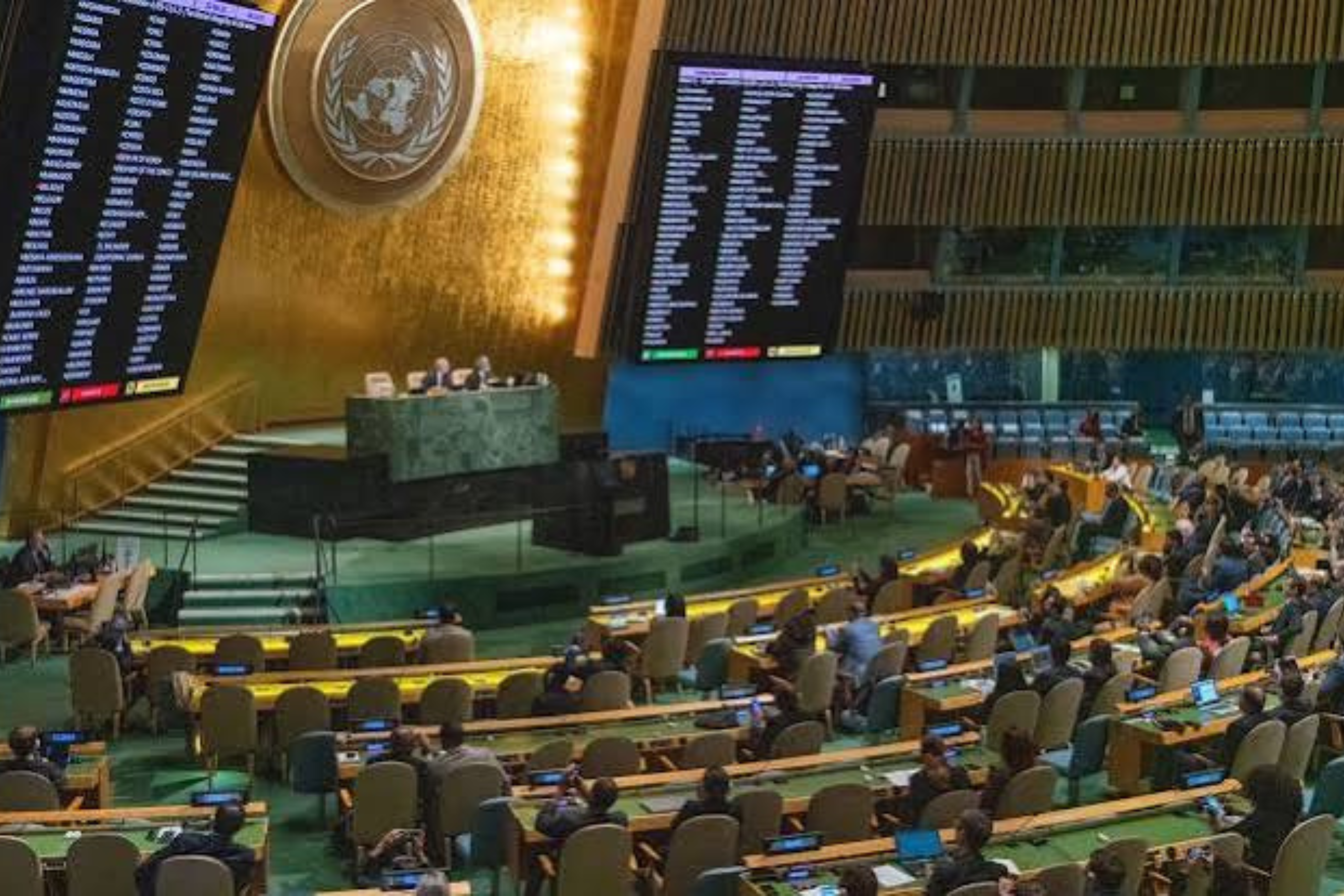
The United Nations General Assembly is expected to hold a debate before another symbolic vote calling for an end to the embargo, a resolution that has historically received overwhelming international support.
Although these votes are non-binding, they continue to demonstrate the international community’s position on the issue.
Cuba Says Negotiations with the US Have Reached a Dead End
Foreign Minister Bruno Rodríguez acknowledged that earlier diplomatic meetings were conducted respectfully but argued that recent actions by Washington have undermined any meaningful progress.
According to Cuban officials, new sanctions and continued economic pressure have made it increasingly difficult to improve bilateral relations.
Despite these concerns, Cuba says it remains open to dialogue if discussions are conducted with mutual respect and without additional political pressure.
Economic Challenges Continue to Affect Cuba
Beyond diplomacy, Cuba is confronting a difficult economic reality.
The country continues to experience:
- Fuel shortages
- Long electricity blackouts
- Reduced public transportation
- Higher food prices
- Limited access to imported goods
- Pressure on healthcare and public services
Government officials argue that the U.S. embargo has significantly worsened these challenges, while U.S. officials maintain that sanctions are aimed at encouraging political change rather than harming the Cuban population.
Cuba Introduces New Economic Reforms
While negotiations with Washington remain frozen, Cuba has approved one of its largest packages of economic reforms in decades.
The measures include:
- Greater opportunities for private businesses
- Expanded foreign investment
- More flexibility for entrepreneurs
- Broader participation from Cubans living abroad
Cuban leaders insist these reforms are sovereign decisions and were not introduced because of pressure from the United States.
United States Passport: US Embassy Warns Dual Citizens Against Travelling With Foreign Passports

Federal Government Laptop Loan: Nigeria Launches C.L.I.C.K.D. Scheme to Help Citizens Buy Laptops and Digital Devices
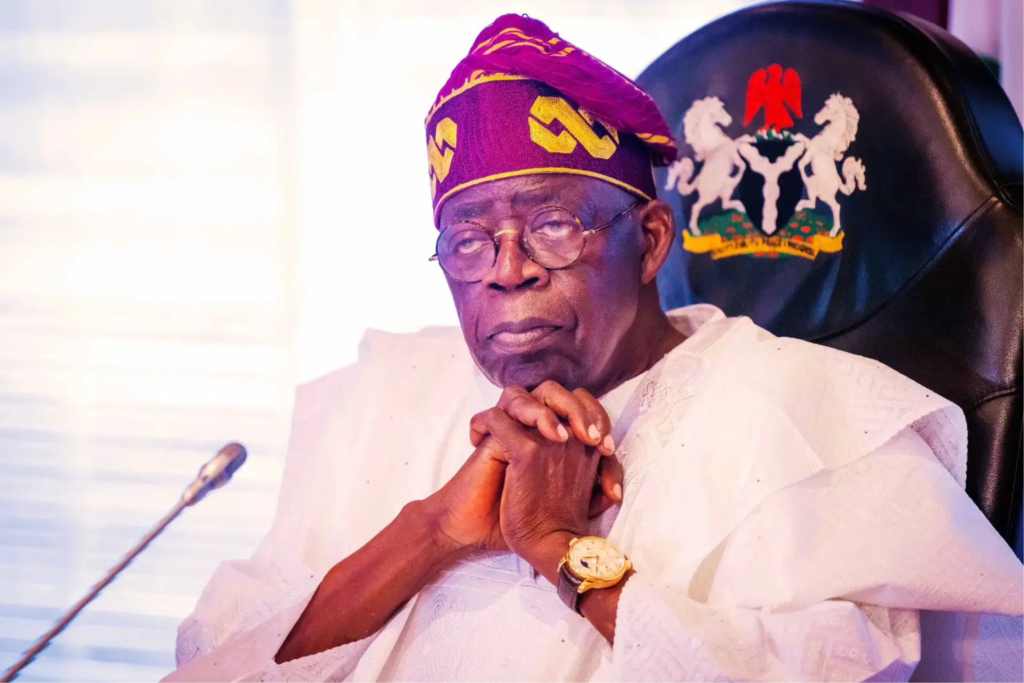
Nigeria Virtual Assets Regulation 2026: Tinubu Signs Executive Order to Strengthen Crypto Oversight and Investor Protection
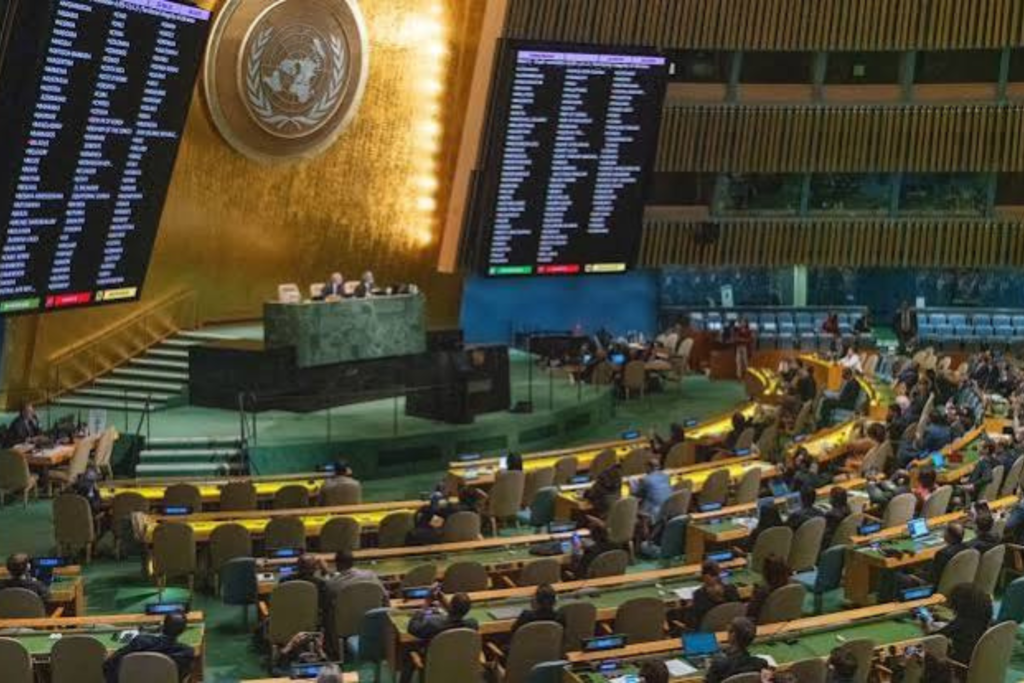
Cuba Says US Talks Show No Progress as UN Trade Embargo Debate Nears
Markwayne Mullin Under Fire During Heated DHS Immigration Hearing
Darializa Avila Chevalier Shocks New York Politics: Who Is the Progressive Candidate Making Headlines in 2026?
Timeline of Recent Cuba Developments
| Date | Event | Significance |
|---|---|---|
| Early 2026 | Diplomatic talks resume | Renewed hopes for improved relations |
| June 2026 | Cuba approves major economic reforms | Largest reforms in years |
| June 30, 2026 | Cuba says negotiations show no progress | Diplomatic tensions increase |
| July 7, 2026 | UN debate scheduled | International attention returns to the embargo |
Cuba vs United States: Current Situation
| Topic | Cuba’s Position | US Position |
|---|---|---|
| Diplomatic Talks | Wants respectful dialogue | Continues pressure through sanctions |
| Trade Embargo | Calls for its removal | Maintains sanctions policy |
| Economic Reforms | Internal sovereign decision | Encourages broader political and economic changes |
| UN Debate | Supports immediate discussion | Cuba alleges the U.S. seeks to delay it |
What Does This Mean for Cuba?
The latest developments suggest that relations between Cuba and the United States remain far from normalization.
Although diplomatic communication continues, there appears to be little immediate prospect of major policy changes.
For businesses, investors, and international observers, attention now shifts to the upcoming United Nations debate and whether it will influence future diplomatic engagement.
Meanwhile, ordinary Cubans continue to face significant economic hardship as shortages and infrastructure challenges persist across the country
Conclusion
The latest Cuba developments illustrate the continued complexity of relations between Havana and Washington. While both countries have maintained diplomatic contacts, recent statements from Cuban officials indicate that negotiations remain stalled. At the same time, the upcoming United Nations debate on the U.S. trade embargo is expected to renew global attention on one of the world’s longest-running geopolitical disputes.
As Cuba pursues domestic economic reforms while managing ongoing economic challenges, the international community will closely watch whether future diplomacy can lead to meaningful progress or whether tensions will continue to shape relations between the two nations
Frequently Asked Questions (FAQ)
Why is Cuba making headlines?
Cuba is in the news after announcing that negotiations with the United States have made no progress while accusing Washington of pressuring UN member states ahead of a debate on the U.S. trade embargo.
What is the Cuba trade embargo?
The Cuba trade embargo is a long-standing U.S. policy that restricts many forms of trade and financial activity between the two countries. It has remained in place for decades, although some rules have changed over time.
Has the United States confirmed Cuba’s accusations?
Public reporting indicates that Cuban officials made the allegations, while U.S. officials have not publicly confirmed those specific claims.
Are Cuba and the United States still negotiating?
Yes. Diplomatic contacts have continued, but Cuban officials say the discussions have not produced meaningful progress.
Why is the UN debate important?
Although UN votes on the embargo are not legally binding, they reflect international opinion and often attract global diplomatic attention.